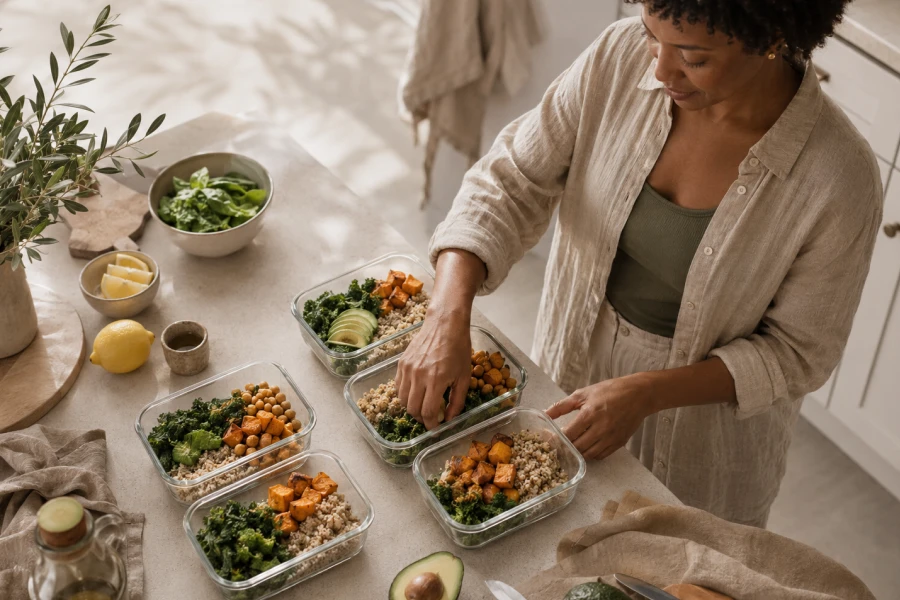
A workable week starts before the refrigerator door opens on Wednesday night. Most meal plans fail because they ignore meetings, errands, changing appetites, and plain fatigue. For many women, women’s meal plan for steady energy offers a steadier way to approach daily fuel. The goal is not a flawless menu or a restrictive food rule. It is a practical rhythm that supports attention, mood, and satisfaction. That rhythm begins by noticing what happens before you feel depleted. A rushed morning can quietly shape every choice that follows. Likewise, a thoughtful default can reduce friction when the day speeds up. This article focuses on realistic weekly planning without adding unnecessary pressure. Small decisions become more useful when they are repeated with compassion.
Energy is easier to protect when meals contain more than one quick answer. A satisfying plate usually combines components that keep the experience steady. Start by thinking about what will make the next few hours feel manageable. That question is more practical than chasing a perfect nutrition label. Protein, fiber, color, and enjoyable flavor can all have a place. Your preferences matter because ignored preferences rarely create consistency. Use familiar foods as a foundation before adding new ideas. The weekly meal planning for women and women’s nutrition planning can offer structure when inspiration runs low. A useful framework should feel supportive rather than strict. That is how everyday meals become a dependable part of your routine.
Lunch often becomes the meal most vulnerable to interruption. Meetings can run late, errands can expand, and appetite can change quickly. Protect this meal by planning for the day you actually have. A portable option may be more valuable than an ambitious recipe. Add a familiar source of nourishment before adding complicated variety. Think about how the meal will travel, store, and fit your schedule. That practical view keeps good intentions from becoming food waste. A short pause to eat can also improve the rest of your afternoon. Your calendar deserves the same planning attention as your grocery list. This is where a simple plan starts feeling genuinely personal.
Afternoon choices work better when they are decided before fatigue peaks. Keep one or two options nearby that you genuinely like eating. This approach reduces the drama around hunger and concentration. It also makes room for appetite changes that show up unexpectedly. Explore flexible healthy eating routine when you want ideas that feel grounded in real life. Pair that choice with a brief reset instead of eating while multitasking. A glass of water, a window break, or a walk can change the moment. Notice which combinations help you feel ready for your next task. Those observations are more useful than someone else’s rigid rules. Over time, your personal defaults become easier to trust.
Dinner does not need to compensate for every imperfect choice earlier. Instead, use it as another opportunity to make tomorrow easier. Cook extra ingredients when the effort feels manageable. Store them where you can see them the following day. A flexible formula can accommodate leftovers, fresh produce, and changing schedules. The point is to reduce decision fatigue without removing enjoyment. Invite family preferences into the plan whenever that serves your household. Make a short list of meals that reliably meet your needs. Return to that list on busy weeks instead of starting from zero. This habit turns planning into a source of relief.
Technology can support planning without replacing your judgment. Use prompts to brainstorm combinations, organize a shopping list, or vary repeats. Keep the suggestions that sound appealing and ignore the rest. A tool should make decisions lighter, never make you doubt your appetite. Look for ideas that work with your budget and available time. Then write down the combinations that felt easiest to repeat. That record becomes more valuable than any complicated system. You are building a resource that reflects your own week. Each small adjustment can create a more reliable baseline. The result is a routine that stays useful after novelty fades.
Start by choosing one meal that causes the most friction now. Make one small change there before redesigning your entire week. Perhaps you prepare an ingredient, set a reminder, or choose a repeat. Next, notice how that change affects your energy and attention. For a deeper planning resource, see the 7-day energy meal plan and energy-friendly dinner ideas. Use what resonates, and leave room for your own preferences. A strong routine should feel adaptable, not fragile. It should also leave space for pleasure, culture, and connection. That balance makes nourishment more realistic for the long term. Your next meal can be the beginning of a more supportive day.




Leave a comment